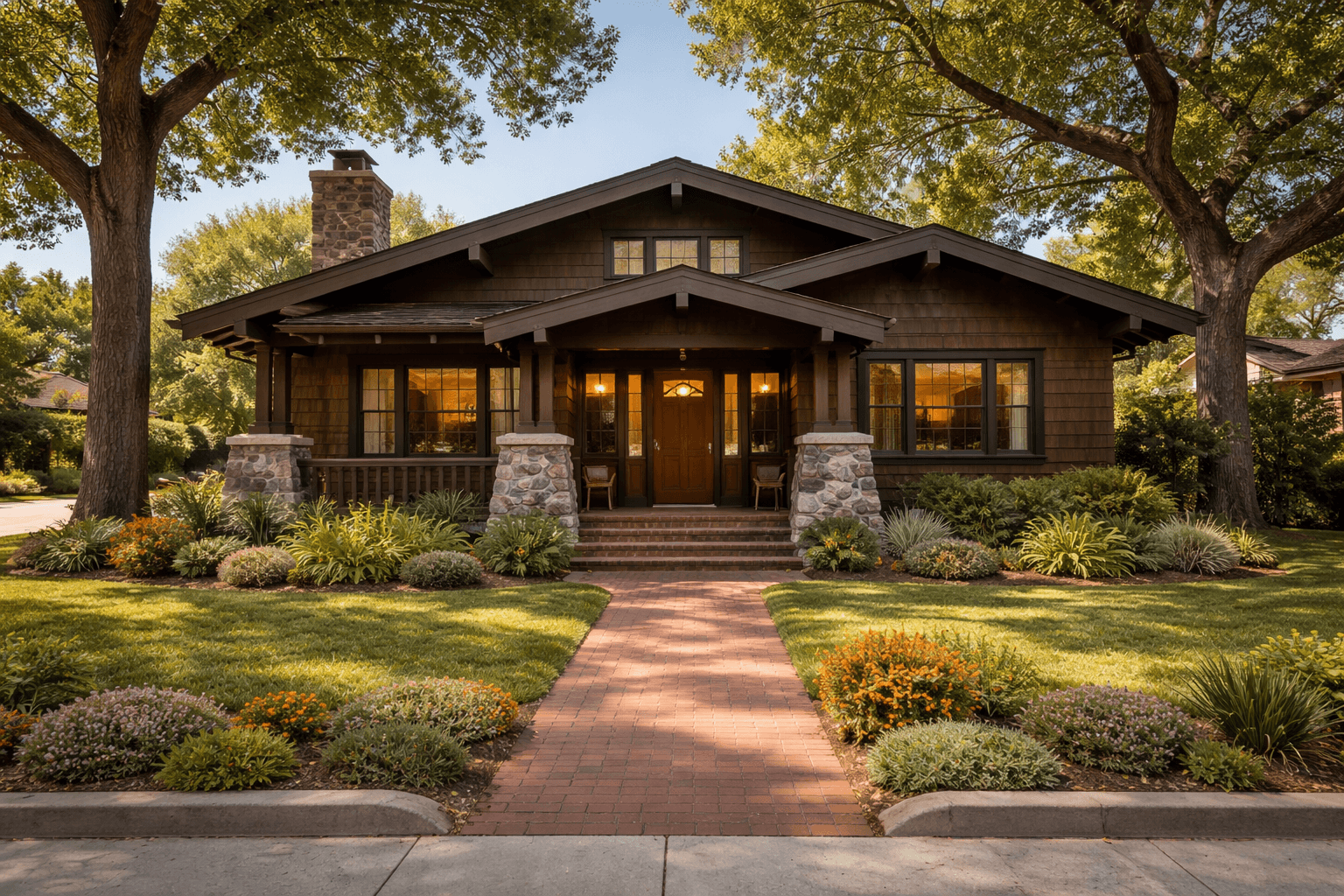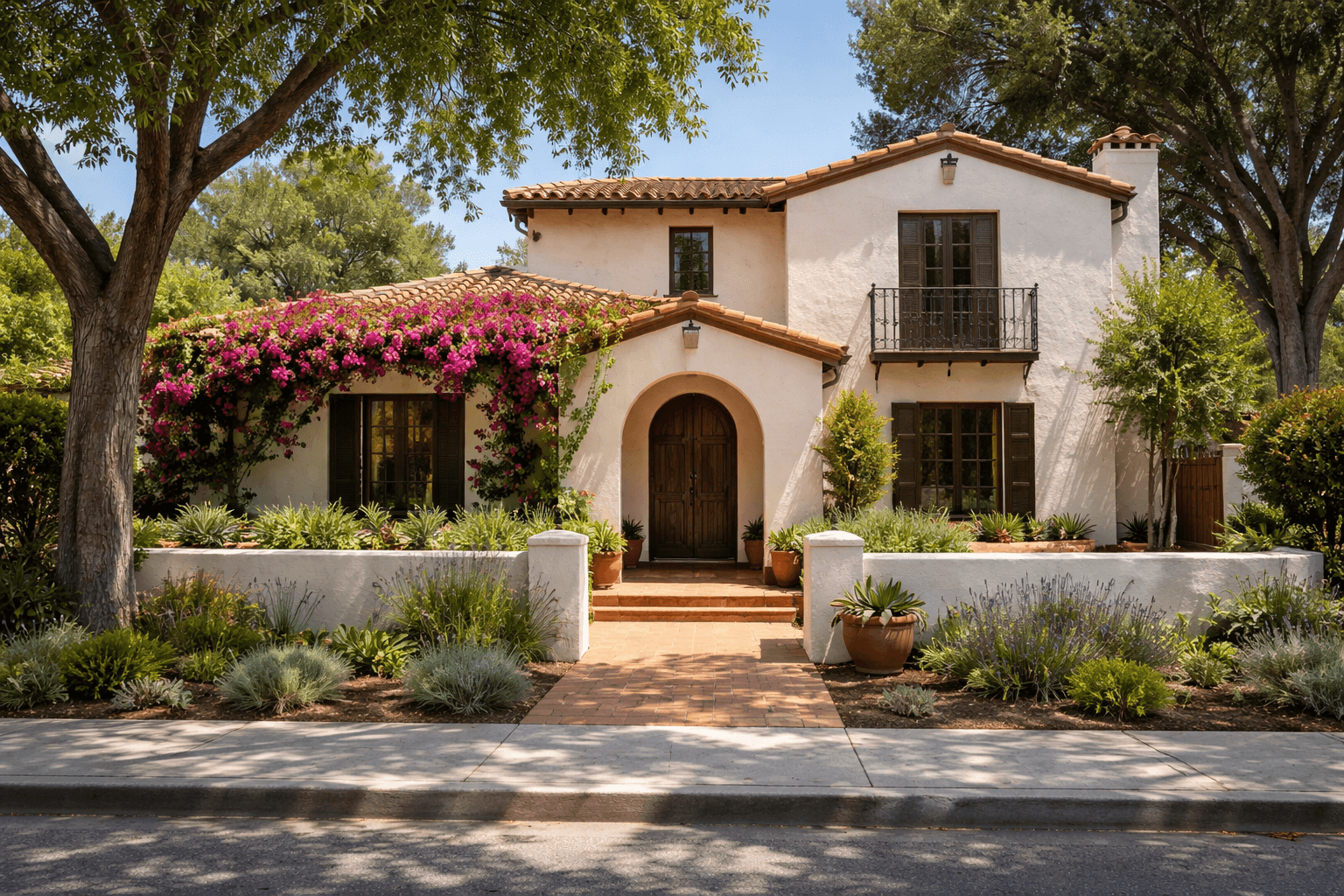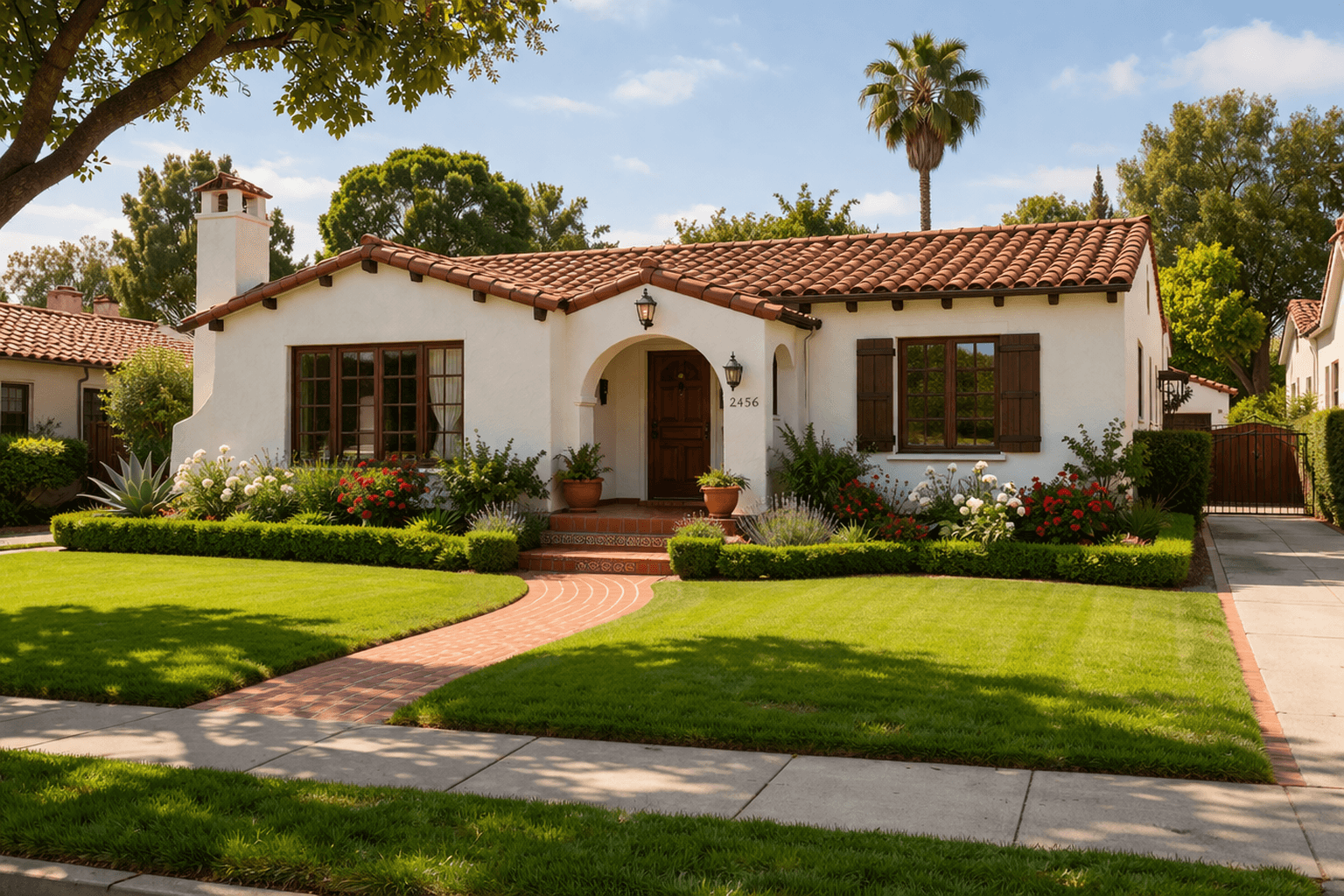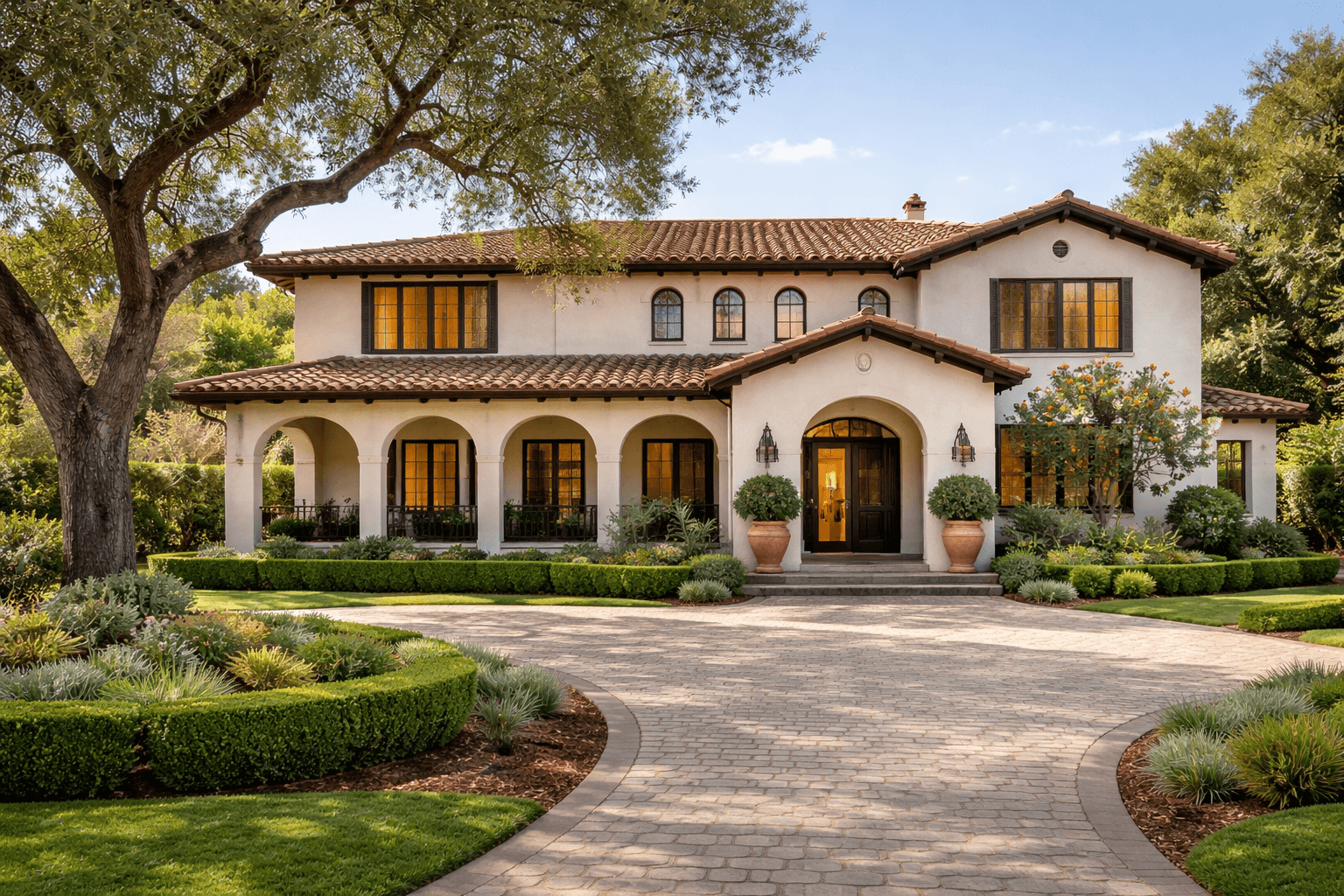
Character Homes Are Not Commodities
Selling a character home in the San Gabriel Valley is not the same as selling a production home in a planned community. The buyers are different. The marketing is different. The pricing is different. And the agent who treats a nineteen-twenties Spanish Revival in South Pasadena the same way they would treat a two-year-old tract home in Arcadia is leaving money on the table — or worse, attracting the wrong buyer entirely.
The buyers who seek out architecturally significant homes in the SGV are not browsing casually. They have done research. They know what a Craftsman bungalow is. They know what a Mills Act contract does. They may have walked Bungalow Heaven on a weekend or driven the streets of Oak Knoll with a mental list of what they want. These buyers respond to specificity, not generality. They want to know the architect, the year, the original materials, the neighborhood context. They want to know what is original and what has been changed. A listing description that says "charming and updated" tells them nothing. A listing description that says "nineteen twenty-three Marston and Maybury with original tile, restored casement windows, and a Mills Act contract in place" tells them everything.
Pricing for the Character Premium
Character homes carry premiums that are real but require justification. Architect attribution, landmark designation, Mills Act eligibility, original materials, and neighborhood context all contribute to value in ways that a standard comparative market analysis can understate. A flat CMA that pulls only the last six months of closed sales in the same zip code can leave significant money on the table.
The counterpoint is equally important: overpricing a character home because the owner has strong emotional attachment is a market-tested way to extend days on market, trigger price reductions, and ultimately sell for less than you would have with a correctly priced launch. The premium is real. The number still has to be defensible to an appraiser and a rational buyer.
The San Gabriel Valley market for character homes has its own rhythm. It does not always track with broader metro trends. A well-preserved Craftsman in Bungalow Heaven may move in days while a comparable-sized home two blocks outside the district boundary sits for weeks. The distinction is not just price — it is story. The home inside the district carries protections, community, and identity that the one outside does not.
Marketing That Matches the Property
Character homes are aspirational products. The buyers are not primarily motivated by investment math — they are motivated by the vision of a specific life, a specific neighborhood, a home that reflects who they are or who they want to become. Marketing that treats a character home as a commodity transaction misses the entire emotional architecture of the purchase decision.
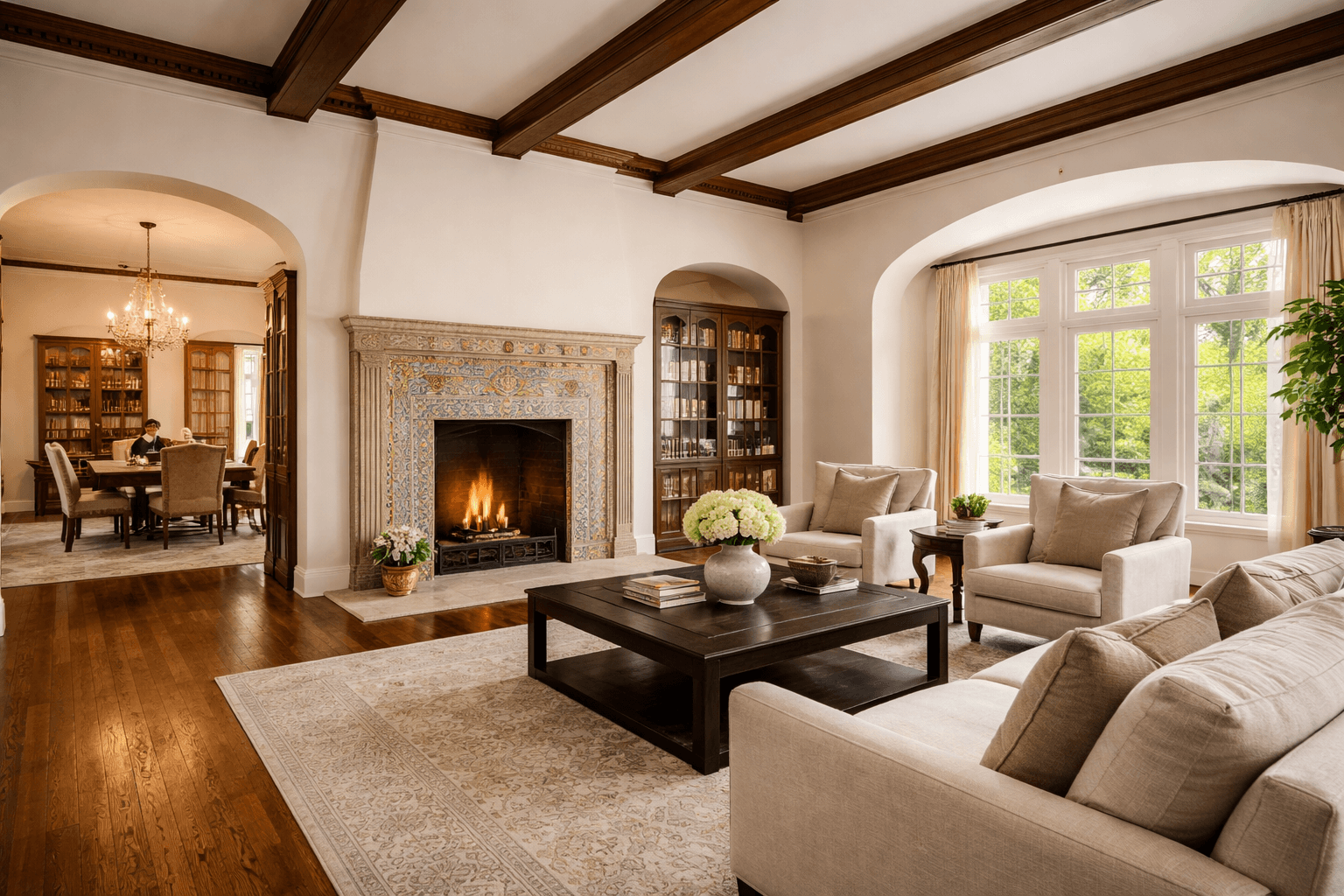
Professional photography is non-negotiable — and for character homes, it means architectural photography in the right light, drone coverage that establishes the neighborhood and tree canopy context, and interior shots that make the fireplace, the built-ins, and the original tile the heroes of the listing. Video walkthroughs, social content targeted to design-conscious buyers, and copy that speaks the language of the architecture are not extras at this price point. They are the listing.
Greg Anderson spent decades in media and marketing before becoming a real estate specialist in the San Gabriel Valley. He knows how to tell the story of a property in a way that finds the right buyer at the right price. Every home has a story. The question is whether your agent knows how to tell it.
Marketing That Matches the Property
Mountain properties are aspirational products. The buyers are not primarily motivated by investment math — they are motivated by the vision of a different life, a different pace, a property where the phone goes quiet and the view does the talking. Marketing that treats a mountain cabin as a commodity transaction misses the entire emotional architecture of the purchase decision.
Professional photography is non-negotiable — and for mountain properties, it means architectural photography in the right light, drone coverage that establishes the forest and elevation context, and interior shots that make the fireplace, the deck, and the view the heroes of the listing. Video walkthroughs, twilight photography, and social content targeted to the Southern California second-home buyer are not extras at this price point. They are the listing.
Selling your home in the San Gabriel Valley? Start with a conversation
Greg Anderson brings a media professional's eye and a local specialist's knowledge to every listing. From pricing strategy to architectural photography to targeted marketing, the goal is simple: find the right buyer at the right price, and make the process feel like it's in the hands of someone who actually understands what makes your home different.
Let's Get Started ⤵️