The Moment It Clicks
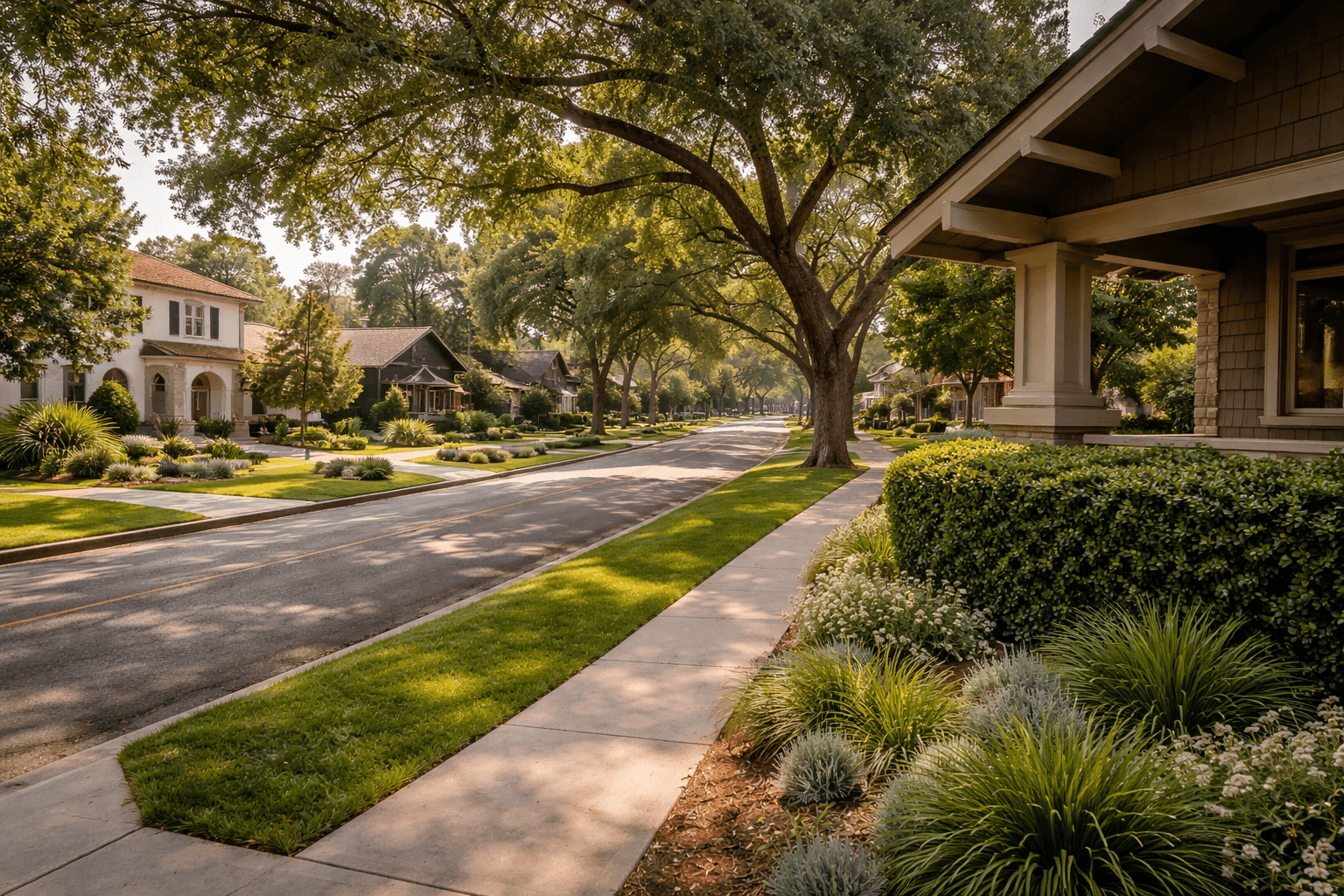
Everyone has the moment. You are driving through South Pasadena on a Saturday morning and the light is coming through the oaks and the houses are set back from the street and the porches are wide and the neighborhood feels like something you thought did not exist anymore. Or you are at a dinner party in Sierra Madre and the host walks you through a living room with original beamed ceilings and a tile fireplace and a courtyard you can see through the arched windows and you think: people actually live like this.
The San Gabriel Valley does that to people. It is close enough to downtown Los Angeles to commute but far enough to feel like a different world. The architecture is real — not replicated, not themed, not a developer's idea of what "character" looks like. These are homes built between 1900 and 1970 by architects and craftsmen who understood materials, proportions, and the Southern California climate in ways that most contemporary builders do not.
But wanting to live here and knowing how to buy here are two different things. The SGV has its own rules, its own market dynamics, and its own set of things that no one mentions until after you have already made an offer.
What You Need to Know Before You Write an Offer
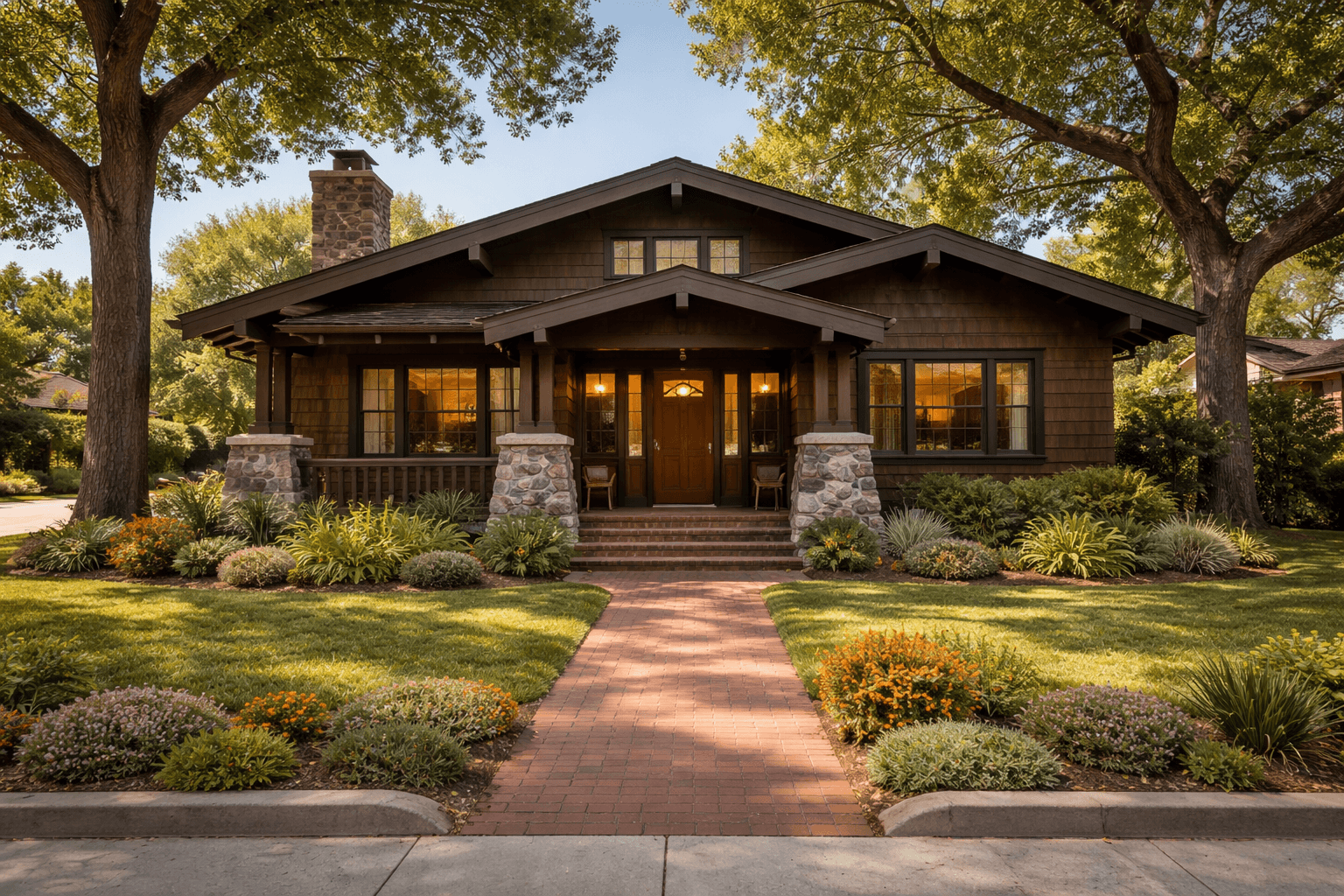
The first thing to understand is that the San Gabriel Valley is not one market. It is a patchwork of small communities — Pasadena, South Pasadena, Altadena, Sierra Madre, San Marino, Alhambra — each with its own character, price range, school district, and zoning rules. A three-bedroom Craftsman bungalow in Alhambra and a three-bedroom Craftsman bungalow in South Pasadena may share an architectural style but occupy entirely different price brackets. Knowing why is the first step toward buying smart.
Historic district designations matter. If the home you are considering sits within a designated landmark district, exterior changes will require review and approval through the city's historic preservation process. This is not a dealbreaker — it is a feature. It means your neighbor cannot demolish their Craftsman and build a box. It also means your home may be eligible for the Mills Act, which can reduce property taxes by forty to sixty percent. That savings is real, annual, and can meaningfully affect your monthly carrying cost.
Older homes require a different kind of inspection. The standard home inspection covers the basics — roof, foundation, plumbing, electrical — but character homes have additional considerations. Original windows may be single-pane and need weatherstripping rather than replacement. Plumbing may be a mix of original galvanized and updated copper. The foundation may be post-and-pier rather than slab. None of these are necessarily problems, but they require an inspector who understands older construction and can distinguish between a maintenance item and a structural concern.
Finding the Right Home in the Right Neighborhood
The SGV rewards patience and specificity. The buyer who says "I want a three-bedroom under a million somewhere in Pasadena" will see dozens of homes. The buyer who says "I want a Craftsman with original built-ins in a landmark district within walking distance of a village center" will see fewer — but every one of them will be worth seeing.
Each community has a personality. Pasadena is the largest and most architecturally diverse — from Bungalow Heaven's Craftsman grid to the grand estates of Oak Knoll to the mid-century hillside homes above Lake Avenue. South Pasadena is smaller, quieter, and fiercely protective of its residential character — a place where people walk to the grocery store and know their neighbors. Altadena, unincorporated and more eclectic, offers larger lots, foothill views, and a creative community that has attracted artists and architects for decades. Sierra Madre is the smallest — a one-stoplight town backed up against the mountains with a Main Street that still feels like the nineteen fifties. San Marino is the most exclusive, with some of the highest per-capita property values in California and a school district that drives much of its market.
Greg Anderson knows these communities from the inside. He knows which streets flood in February, which neighborhoods hold their value in a correction, and which listings deserve a second look. The San Gabriel Valley is not a place you search with a zip code filter. It is a place you learn by walking it.
Ready to find your home in the San Gabriel Valley?
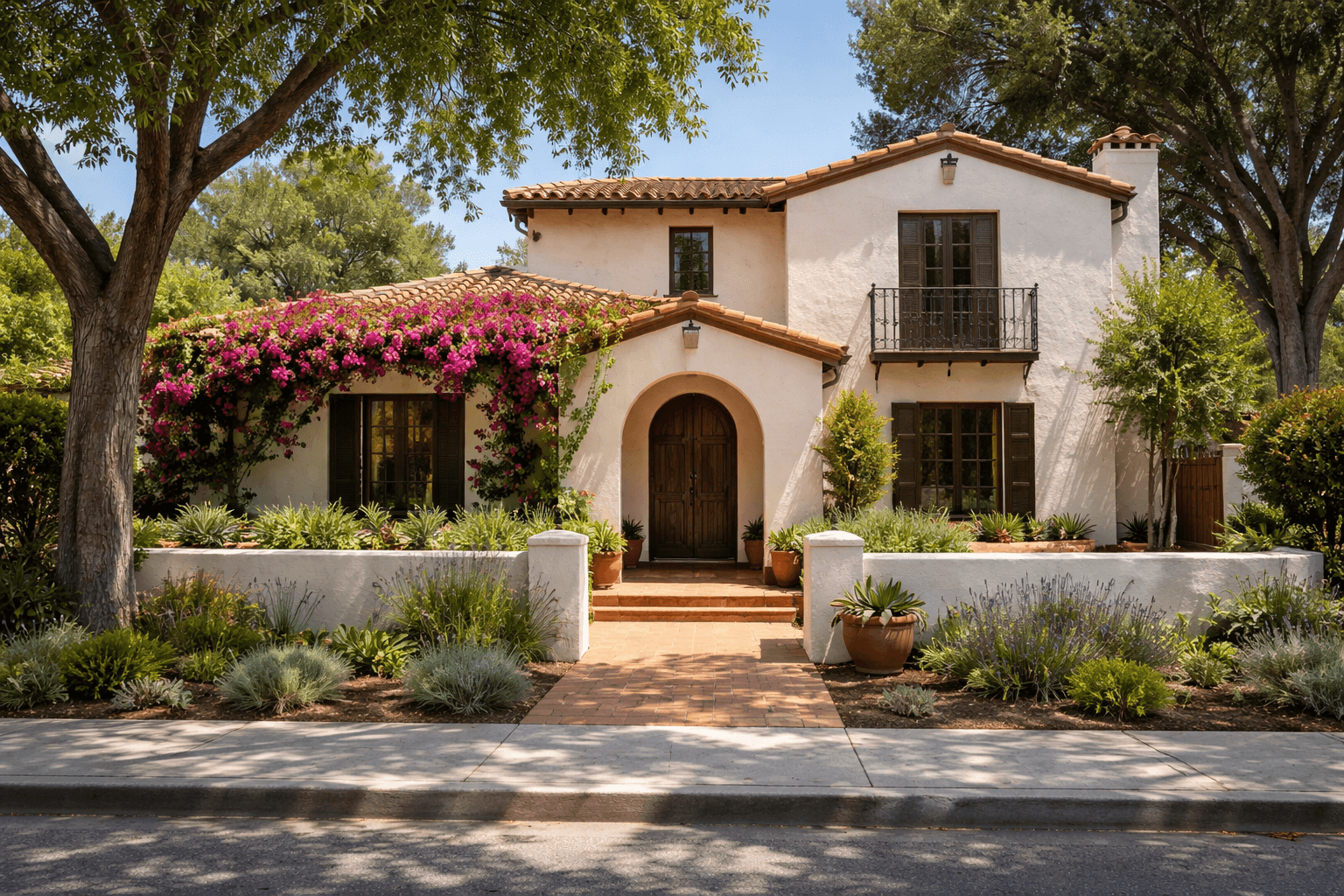
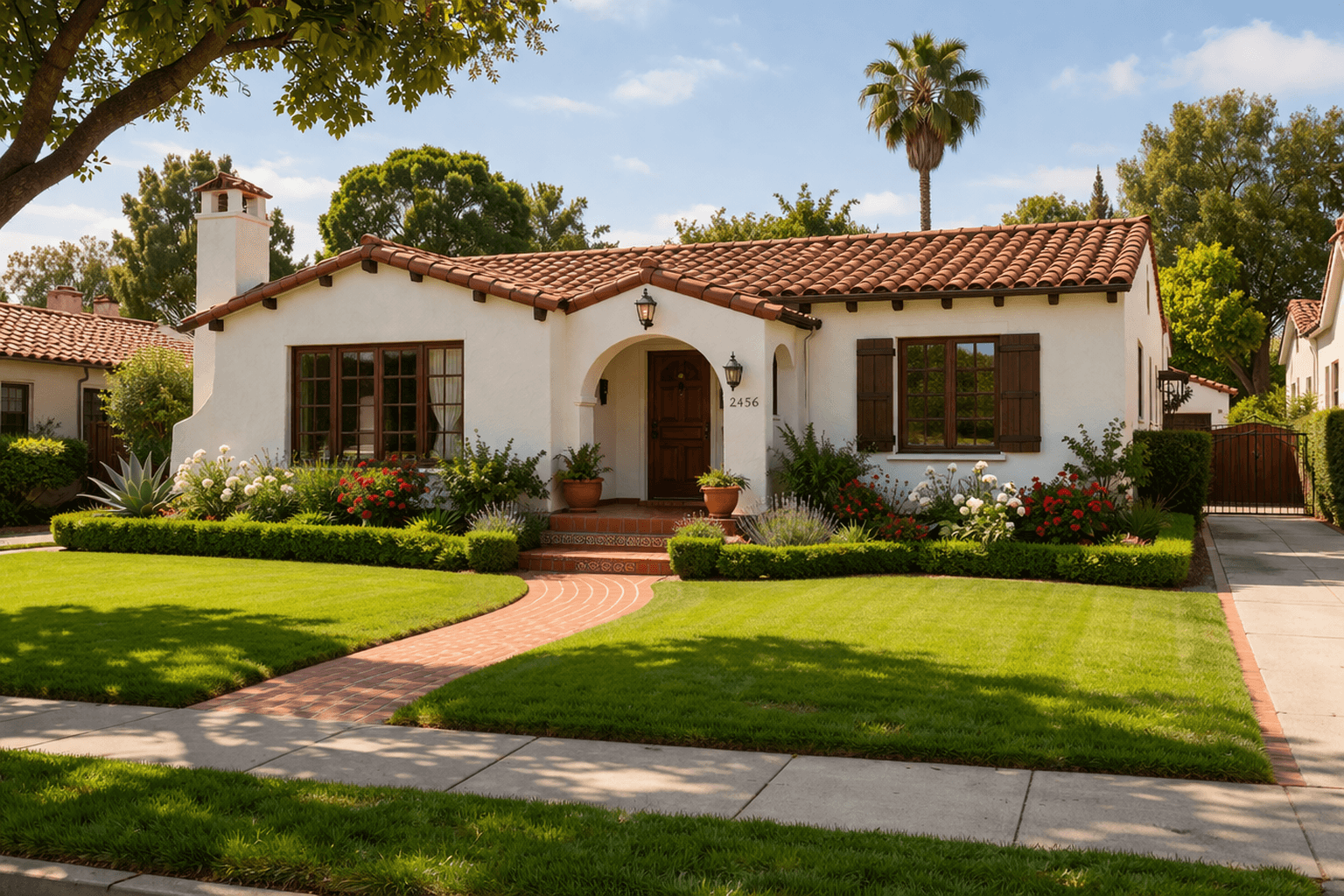
Greg Anderson works with buyers who know what they want — or who know they want something they have not been able to find on their own. From Craftsman bungalows to mid-century glass to Spanish Revival courtyards, the San Gabriel Valley has it. The conversation starts here.
Let's Get Started ⤵️