When a Home Carries a Name
Most homes are built. Some homes are designed. And a small number of homes in the San Gabriel Valley carry the name of the architect who created them — a provenance that changes everything about how they are valued, maintained, marketed, and understood.
Pasadena and its neighboring communities hold one of the densest concentrations of architect-attributed residential architecture in the United States. This is not an accident of geography. It is the result of a specific historical moment — roughly 1895 to 1965 — when some of the country's most talented architects lived and worked within a few miles of each other and had access to clients willing to invest in custom design.
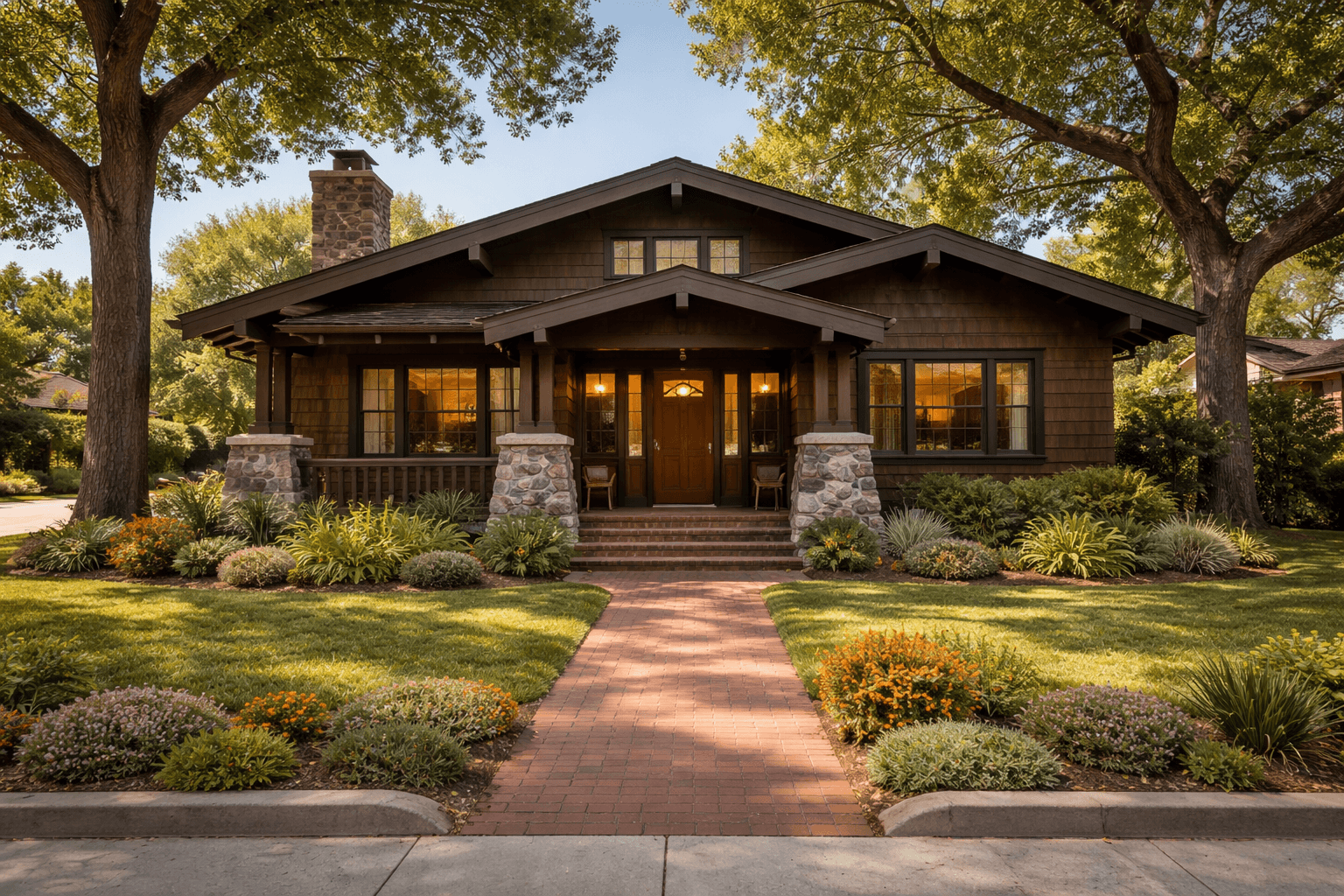
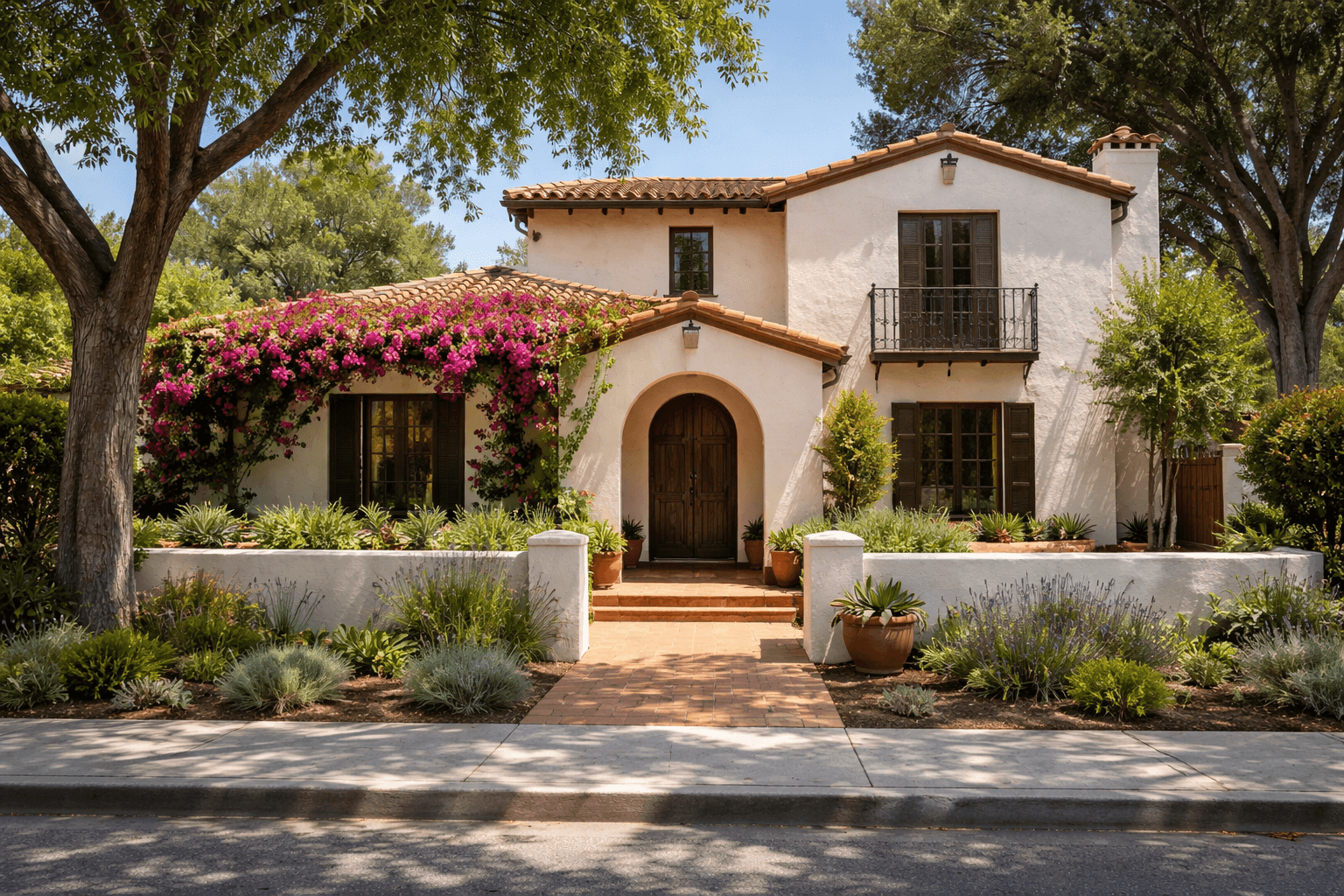
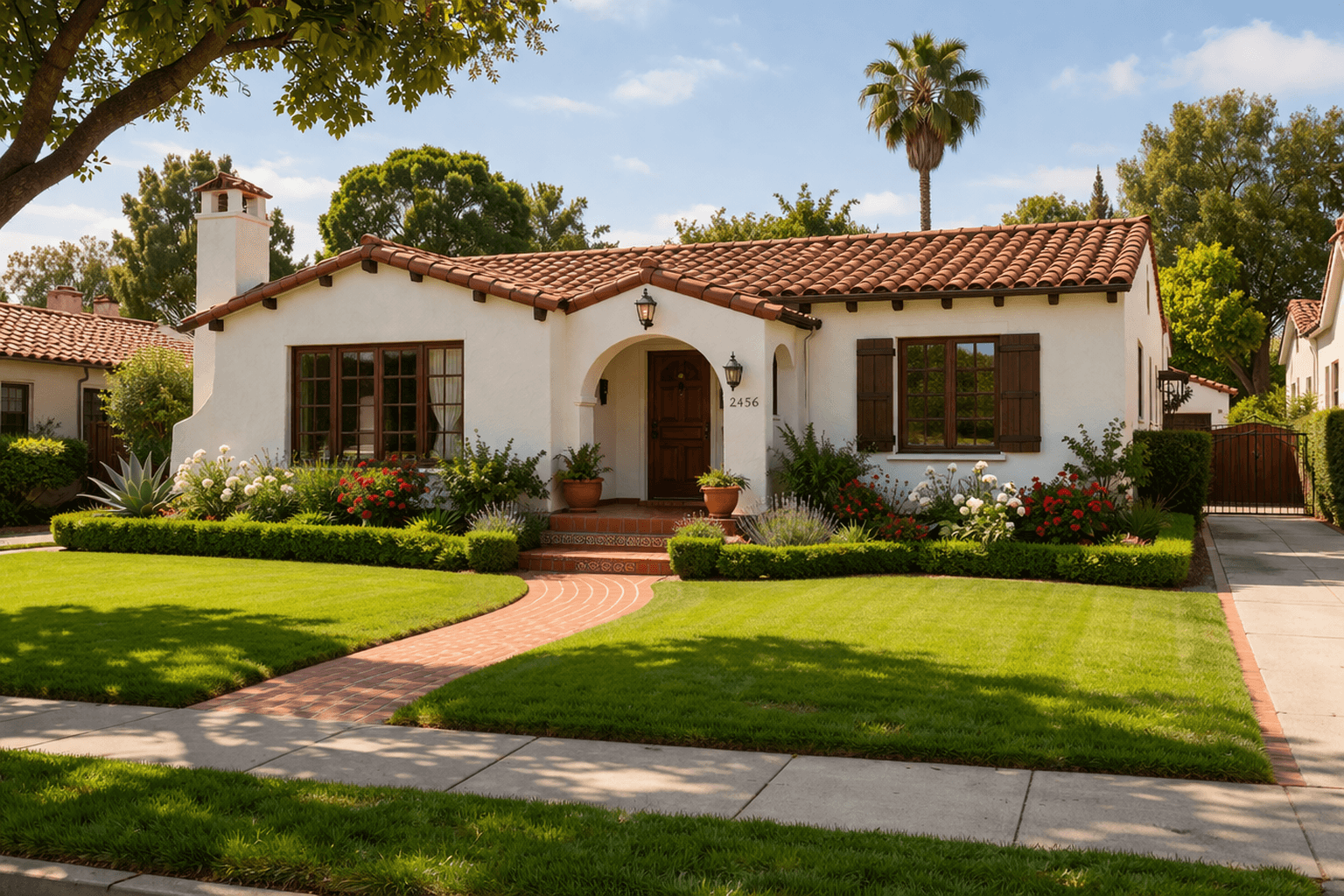
Greene and Greene. Wallace Neff. Myron Hunt. Sylvanus Marston. Reginald D. Johnson. Buff and Hensman. Richard Neutra. R.M. Schindler. These are not regional footnotes. These are nationally and internationally recognized figures whose work is studied in architecture schools, exhibited in museums, and collected by institutions. And their homes are here — on real streets, with real addresses, many of them in private hands and occasionally available for purchase.
What distinguishes an architect-designed home from a well-built home is intention. Every decision — the placement of a window, the proportions of a room, the relationship between the house and its site — was made by someone with a trained eye and a specific vision. The result is a coherence that builder-grade homes, however well-constructed, rarely achieve.
The Mills Act and What It Means for Owners
California's Mills Act is the single most powerful financial tool available to owners of historically significant homes. Enacted in 1972, it allows cities to enter into contracts with property owners who commit to preserving and maintaining the architectural character of their designated landmark properties. In exchange, the owner receives a reassessment of their property taxes using an income-based valuation method rather than market value. The result is typically a forty to sixty percent reduction in annual property taxes.
In Pasadena, the program has been active since 2002. Properties eligible for Mills Act contracts include those listed on the National Register of Historic Places, the California Register of Historical Resources, or the city's own register of landmarks and landmark districts. For homes with a Greene and Greene, Wallace Neff, or Myron Hunt attribution, designation is often straightforward. But the program is not limited to famous architects — any home that meets the criteria of historical or architectural significance may qualify.
The contract runs for a minimum of ten years and automatically renews annually. The owner commits to a maintenance and restoration plan approved by the city's Design and Historic Preservation section. The work does not have to be completed immediately — the plan can be phased over the life of the contract. In return, the property tax savings begin as soon as the contract is recorded with the county assessor, typically by the following tax year.
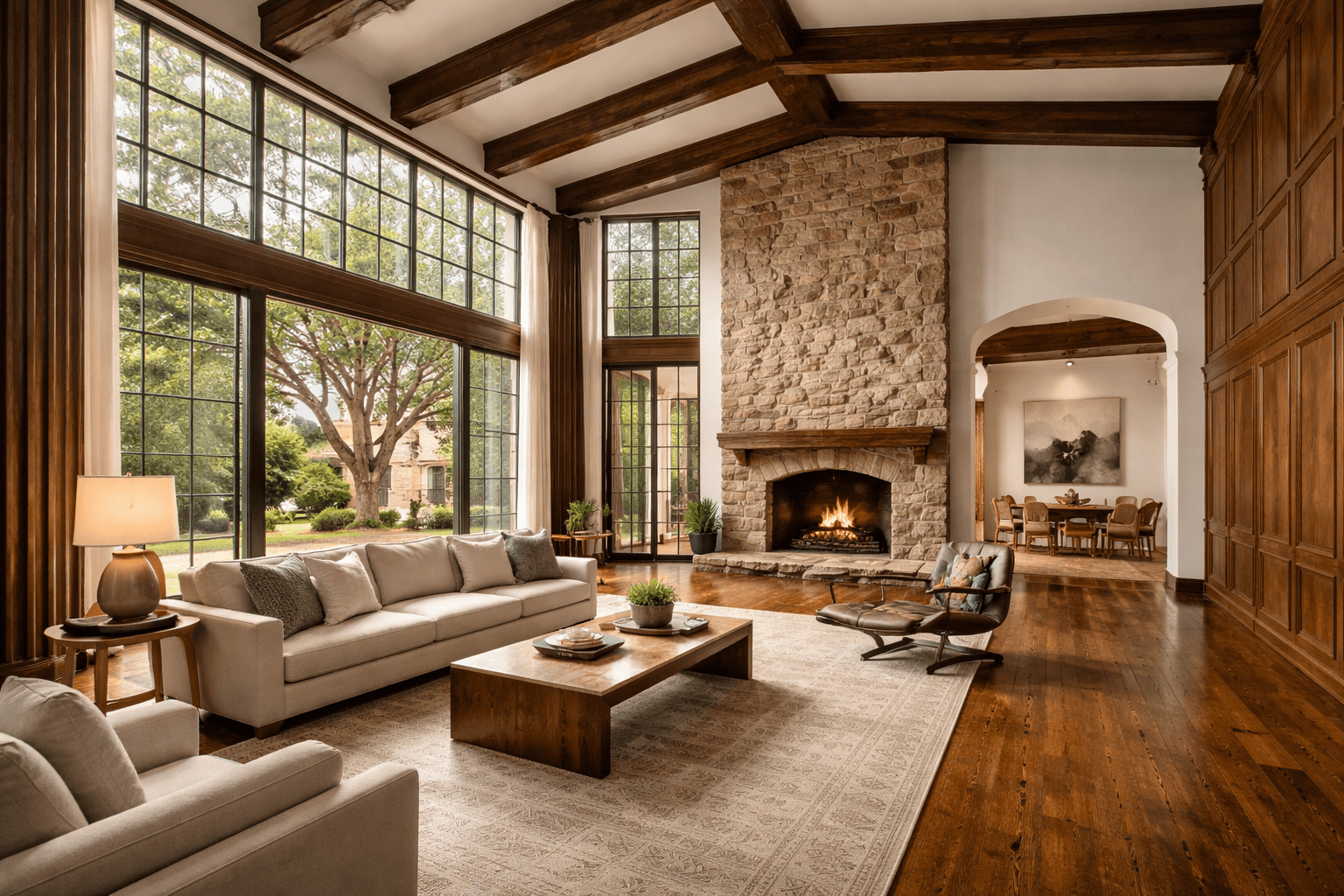
For a buyer considering a million-dollar-plus home in Los Angeles County — where property taxes run roughly 1.1 to 1.3 percent of assessed value — a Mills Act contract can save ten to fifteen thousand dollars annually. Over a ten-year minimum contract period, that is a hundred thousand dollars or more in direct savings. The math is not abstract. It is a material factor in the purchase decision.
Several other SGV cities participate in the Mills Act, including South Pasadena, Sierra Madre, San Gabriel, Arcadia, Monrovia, Glendora, and La Cañada Flintridge. Each jurisdiction administers its own program with its own criteria and cap on the number of contracts it will issue. Availability is not guaranteed — and that scarcity is part of what makes these properties distinctive.
Finding and Evaluating an Architect-Designed Home
Not every home with a famous architect's name attached to it is a wise purchase. Provenance is the starting point, not the finish line. The questions that follow are the ones that matter.
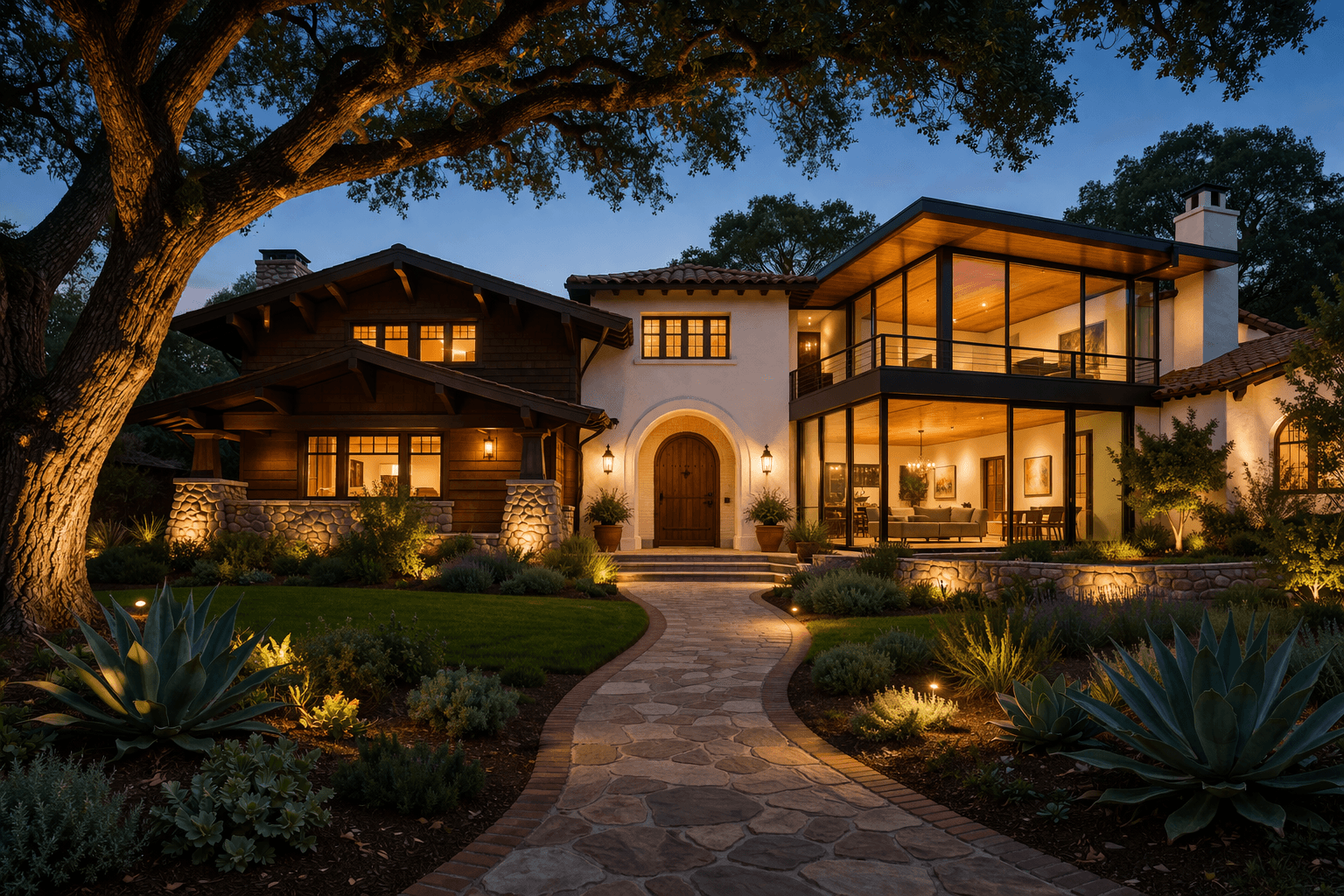
Has the home been altered? Many architect-designed homes have been modified over the decades — additions, kitchen remodels, window replacements — and the degree to which those changes respect or violate the original design varies enormously. A sensitive addition by a knowledgeable architect can enhance a home's livability without compromising its integrity. A careless remodel can destroy what made the home significant in the first place.
Is the home designated? A home can be architect-attributed without being designated as a landmark. Designation offers protections — both for the current owner and for the neighborhood — but it also imposes review requirements on exterior alterations. Buyers should understand what designation means before purchasing, not after.
What is the condition of the original materials? Architect-designed homes from the early twentieth century were often built with old-growth wood, hand-forged hardware, custom tile, and art glass that cannot be replicated at any price. The presence and condition of these materials is a significant factor in the home's value and in its eligibility for Mills Act benefits.
Is the attribution documented? In the world of architect-designed homes, documentation matters. Original drawings, building permits, published references, and inclusion in an architect's known body of work all contribute to provenance. A home that "looks like a Neff" is not the same as a home that is a documented Neff.
Greg Anderson works with buyers who ask these questions — and with sellers who understand that the answers are what set their property apart from every other listing on the market.
Interested in an architect-designed home in the San Gabriel Valley?
Greg Anderson works with buyers who ask these questions — and with sellers who understand that the answers are what set their property apart from every other listing on the market.
Let's Get Started ⤵️